Independent Editorial Guide

How to Choose the Right Dental Clinic Abroad

Dental tourism can save patients a significant share of the cost of implants, veneers, or full-mouth restoration — but only when the clinic is chosen carefully. This guide walks through the criteria that actually predict a safe, well-executed treatment abroad, and how leading destinations compare against them.

0evaluation criteria
0destinations compared
0patient FAQs answered
0case study, in full detail

Updated: July 2026 Independent editorial guide No clinic pays for placement in this comparison

Section 01

Dental Tourism in Context

Dental tourism is one branch of a much broader pattern: patients traveling abroad for medical, dental, or cosmetic care they might otherwise get at home, usually to access lower costs, shorter waiting times, or a specific specialization not readily available locally. Dentistry — implants especially — is one of the most common reasons patients travel, since the cost gap between destinations can be substantial and the procedures are well standardized internationally.

This guide focuses specifically on choosing a dental clinic abroad. For a broader look at medical travel beyond dentistry — including trends across procedures and destinations — medicaltourismalbania.com is a useful independent resource on medical tourism more generally (opens in a new tab).

Section 02

The Criteria That Actually Matter

Reviews and glossy photos say very little about whether a clinic abroad will deliver a safe, durable result. Patients who research dental tourism seriously tend to evaluate clinics against eight concrete factors. Each one is explained below, along with the question a patient should be able to get answered before booking.

01

Accreditation and Licensing

Every dentist and surgeon on staff should hold a valid license recognized by the country's dental authority, and the clinic itself should carry facility-level accreditation where required. Ask for the specific licensing body and verify the registration independently.

02

Technology and Diagnostic Equipment

3D cone-beam CT scanning, digital impression systems, and guided implant planning are now standard at reputable clinics. Their absence is a warning sign — it usually means treatment planning relies on 2D imaging alone.

03

Surgeon and Team Experience

Ask how many procedures of your specific type the lead clinician has performed, not just how many years the clinic has operated. Case volume in the specific procedure is the more relevant number.

04

Materials and Implant Brands

The implant system, crown material, and lab used should be named explicitly, in writing, before treatment. Established implant brands with global parts inventories make future maintenance far easier.

05

Warranty and Guarantee Terms

A serious clinic puts its warranty in writing: what is covered, for how long, and what voids it. Vague verbal assurances are not the same as a signed document with specific terms.

06

Aftercare and Follow-Up Protocol

Treatment abroad doesn't end when the flight home takes off. Ask who manages complications after you've left the country, and whether the clinic coordinates with a dentist near you.

07

Price Transparency

A trustworthy quote itemizes each component — consultation, imaging, the procedure, materials, and follow-up — rather than a single number with no breakdown.

08

Communication in the Patient's Language

Informed consent depends on actually understanding what's being proposed. Clinics treating a meaningful volume of international patients typically have staff who speak the patient's language directly.

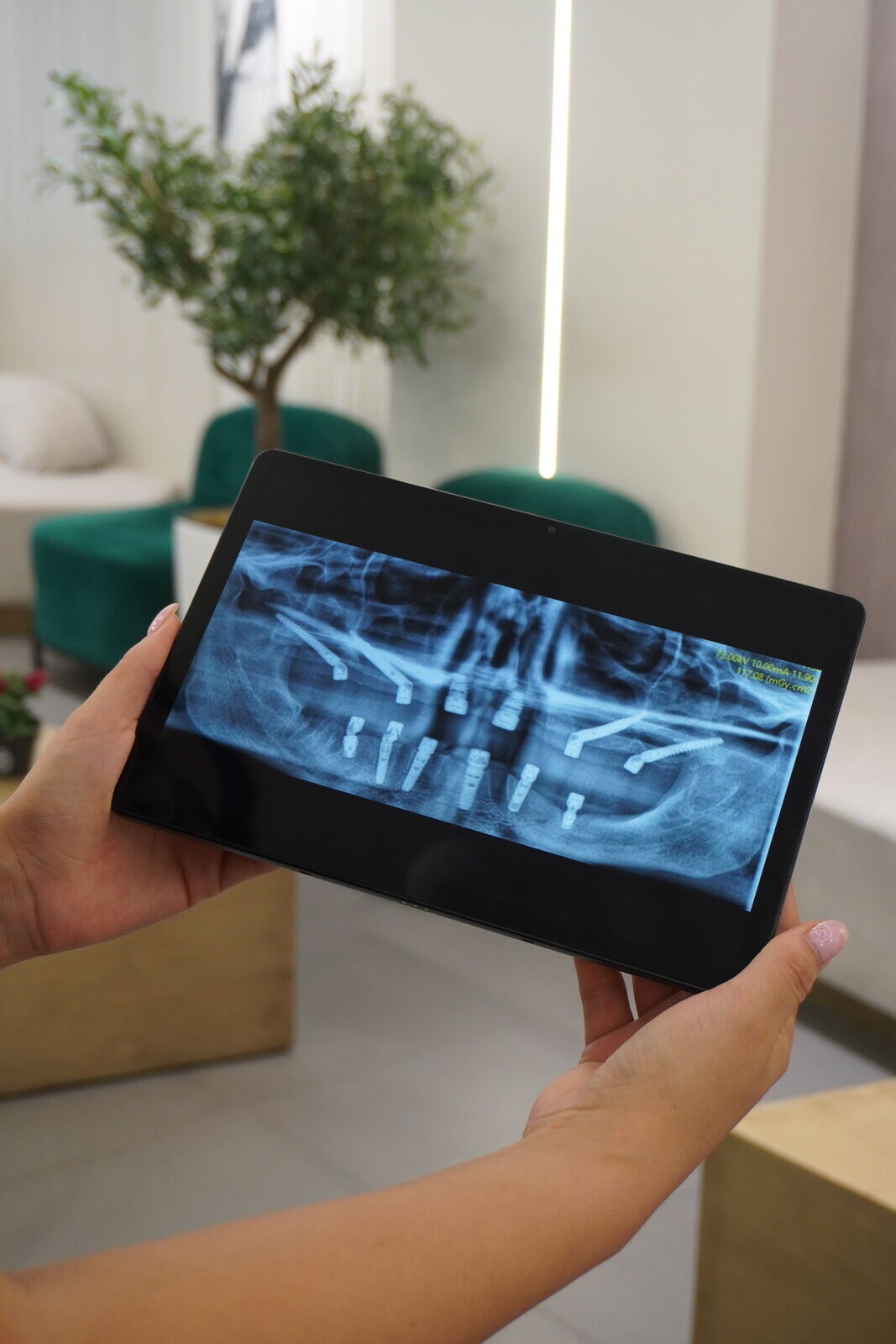
Dental team member holding a tablet displaying a full digital panoramic X-ray with visible implants, in a clinic lounge
Clinic environment

What a clinic's diagnostic technology signals about how it's run

Facility standards are one of the easier criteria to observe directly. Clinics that invest in current diagnostic and imaging technology — reviewing a full digital X-ray on the spot, not a printed film handed over later — are also more likely to extend that same discipline to sterilization, scheduling, and documentation. Equipment age and upkeep are a reasonable proxy for how the whole practice is run.

Section 03

How Destinations Compare

Turkey, Hungary, and Mexico are the three most established dental tourism destinations globally, each with a large, mature international patient infrastructure. Albania is a newer entrant to this market. The comparison below applies the eight criteria above — not overall rankings, since clinic quality varies within every country.

FactorAlbaniaTurkeyHungaryMexico
Regulatory framework EU-aligned standards; national licensing body National licensing body; large accredited-clinic segment EU member state; EU-wide regulatory alignment National licensing (COFEPRIS); varies by state
Flight time — Western/Central Europe 1.5–3 hours 2.5–4.5 hours 1.5–3 hours Long-haul from Europe
Flight time — North America Long-haul, one stop typical Long-haul, one stop typical Long-haul, one stop typical Short-haul from most US regions
Relative price vs. Western Europe/US Significantly lower — exact savings vary by procedure Significantly lower — high patient volume drives competitive pricing Lower, though gap has narrowed vs. a decade ago Lower for US patients specifically; less advantage for European patients
Market maturity for international patients Emerging — smaller but growing international patient base Very mature — one of the largest dental tourism markets globally Mature — long-established, especially for EU patients Mature for US/Canadian patients specifically
Language access for European patients Strong for Italian- and Greek-speaking patients; varies by clinic Generally strong given scale of international operations Generally strong for German- and English-speaking patients Strong for English- and Spanish-speaking patients
No destination is categorically "better" — each has trade-offs. Turkey offers the largest and most mature international infrastructure. Hungary offers EU membership with a long track record. Mexico is the practical choice for US and Canadian patients given proximity. Albania's case rests on a specific combination: EU-aligned regulatory standards, short flight times from most of Europe, and price levels that remain competitive as the market matures — a relevant profile in particular for patients traveling from Italy, Greece, and the wider Balkan and Central European region.

A note on Turkey and Hungary

It's worth saying plainly: Turkey and Hungary each have a large number of clinics that meet high international standards, run by experienced clinicians using modern equipment and transparent processes — that scale is a real part of why both destinations have built such large international patient bases over the years. Turkey's international patient volume is the largest of the three destinations compared here, which brings extensive infrastructure but also more variation in clinic quality simply due to scale. Hungary's market is long-established as an EU member state, particularly for patients from Germany and other EU countries.

Quality in both countries varies by clinic, the same as anywhere, which is exactly why the criteria and checklist in this guide apply just as directly to a clinic in Istanbul or Budapest as to one in Tirana. Albania's case in this guide rests on the factors covered above — proximity to much of Europe, EU-aligned regulatory standards, and price levels that remain competitive as the market matures — not on any suggestion that Turkey or Hungary fall short.

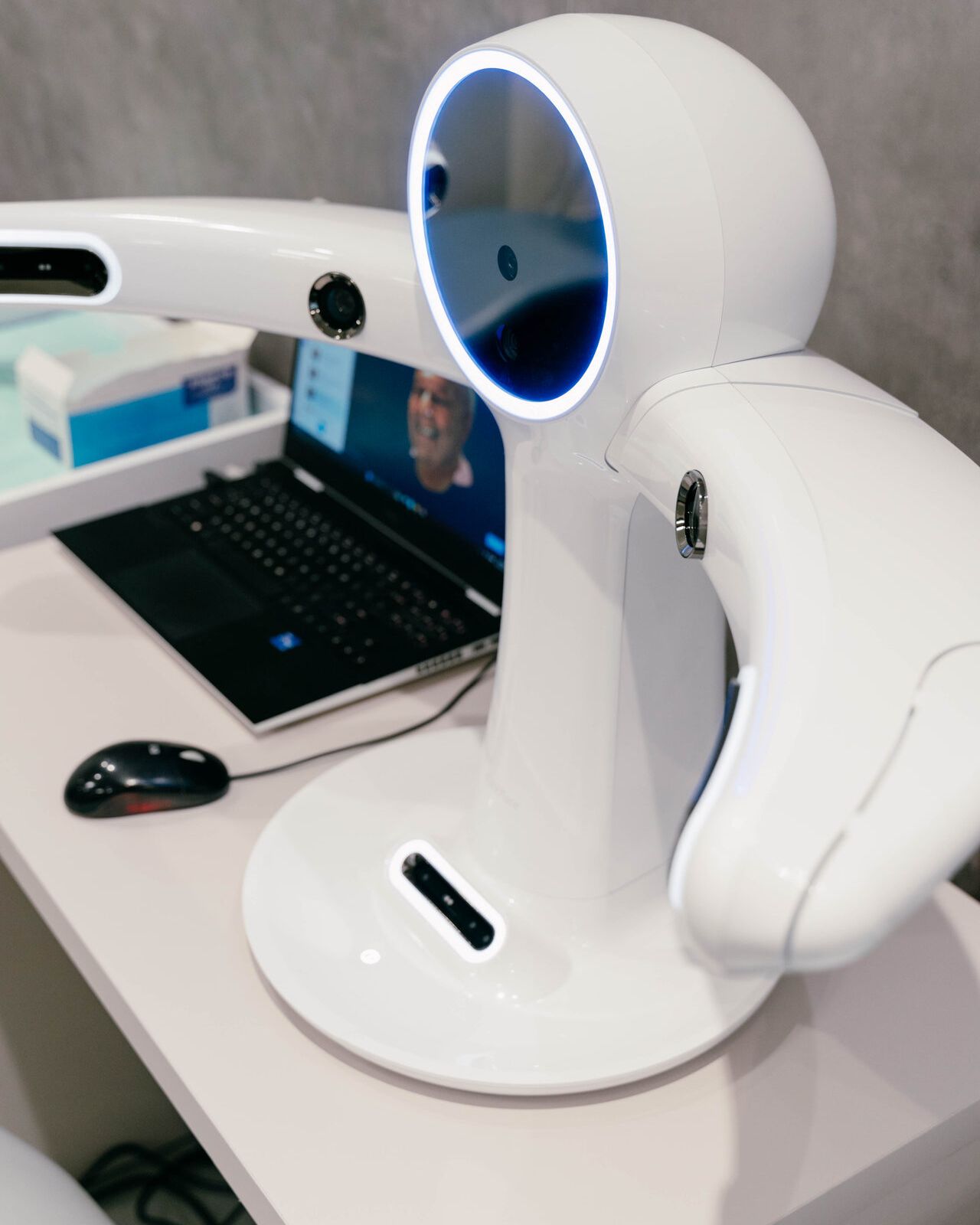
3D diagnostic imaging scanner on a clinic desk, connected to a laptop showing a patient scan
Diagnostic technology

Why imaging quality is a cross-border constant

Regardless of destination, this guide treats 3D diagnostic imaging as a baseline requirement, not a premium extra. It is one of the few criteria a patient can ask about and verify before ever booking a flight — request to see how a clinic plans a case, not just its marketing photos.

Ask before booking Is 3D CBCT imaging used for every implant case, or only offered as a paid upgrade? Is a digital impression taken, or only a physical mold? A clinic that hesitates on either question is worth questioning further.

Section 04

What Sets an Excellent Clinic Apart

The eight criteria above separate acceptable clinics from excellent ones only when applied with specifics. Here is what that looks like in practice.

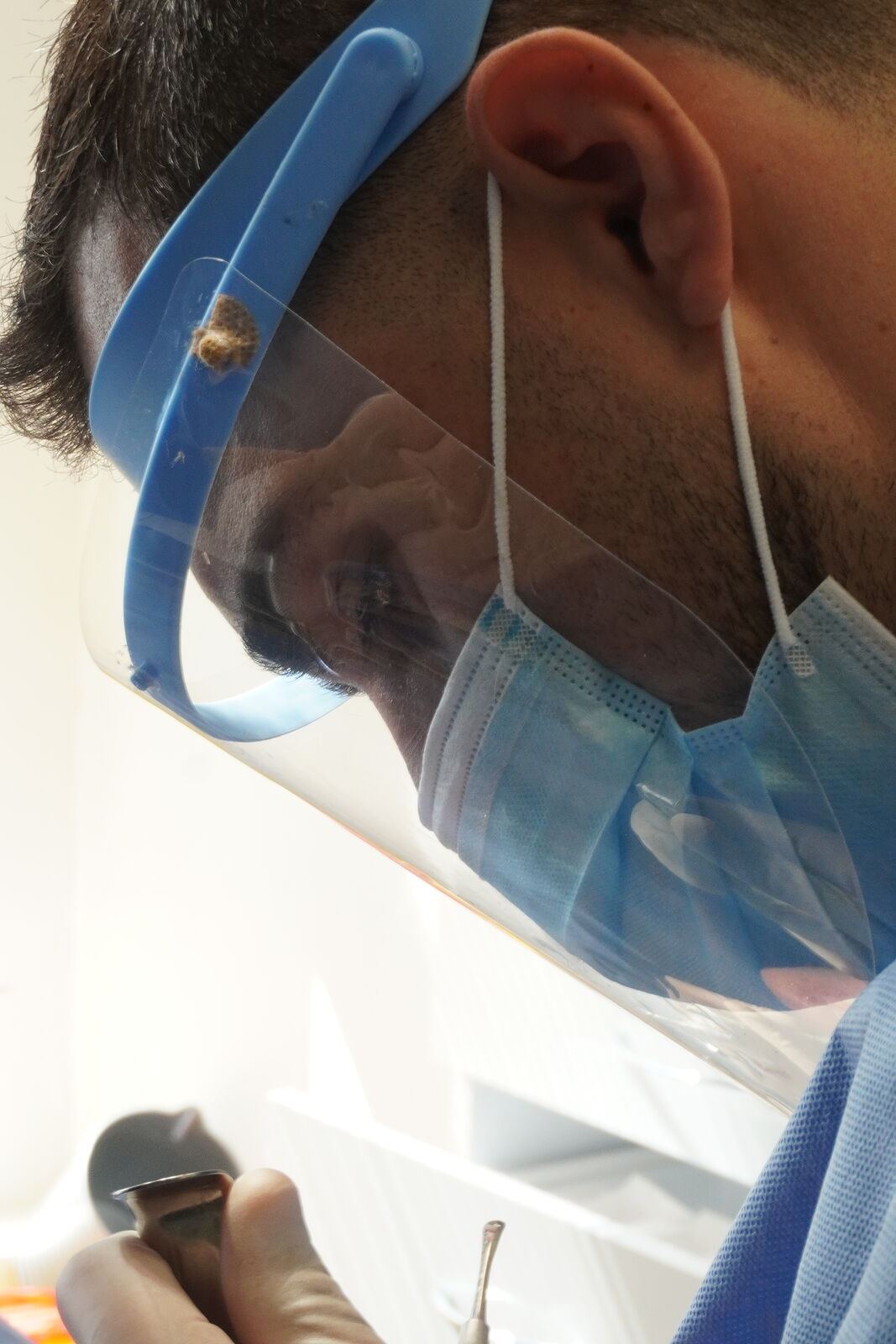
Close profile of a clinician wearing a face shield and mask, holding a dental instrument
Documentation, not assurances

A written plan before you travel

An excellent clinic sends a written treatment plan before the patient travels — listing the exact procedures, the implant or material brand, the number of visits required, and a full price breakdown. A plan agreed to in writing protects the patient if anything about the case changes once treatment begins.

What a written plan should include The exact procedures and their sequence, the implant or material brand by name, the number of visits required, and a full itemized price — with the terms under which any of it could change once treatment begins.

Case-specific surgeon matching

Complex cases — full-arch implants, bone grafting, multiple extractions in one visit — should be handled by a clinician with a demonstrated caseload in that specific procedure. Ask to see the credentials of the clinician assigned to your case specifically.

A real aftercare structure

Excellent clinics assign a named point of contact for aftercare, not a general email inbox, and are explicit about what is covered if something needs adjustment after you've returned home.

Native-language clinical conversations

Being able to discuss diagnosis, options, and risks directly with staff who speak your language — not through a translation app mid-consultation — measurably changes how well-informed the consent process actually is.

The distinction this guide is built around

None of this means one clinic is "the best in the world." It means that when the eight criteria are applied rigorously, some clinics meet them with documentation and process, and others meet them only with reassurance.

Section 05 · Interactive

The Clinic Evaluation Checklist

Use this list against any clinic you're considering — not only the ones featured in this guide. A clinic that can answer all of these directly, in writing, is a clinic worth taking seriously. Check items off as you evaluate a clinic.

0 / 10 evaluated

Download the full checklist (PDF) — a print-ready version plus space to record each clinic's answers side by side.

Send Me the Checklist
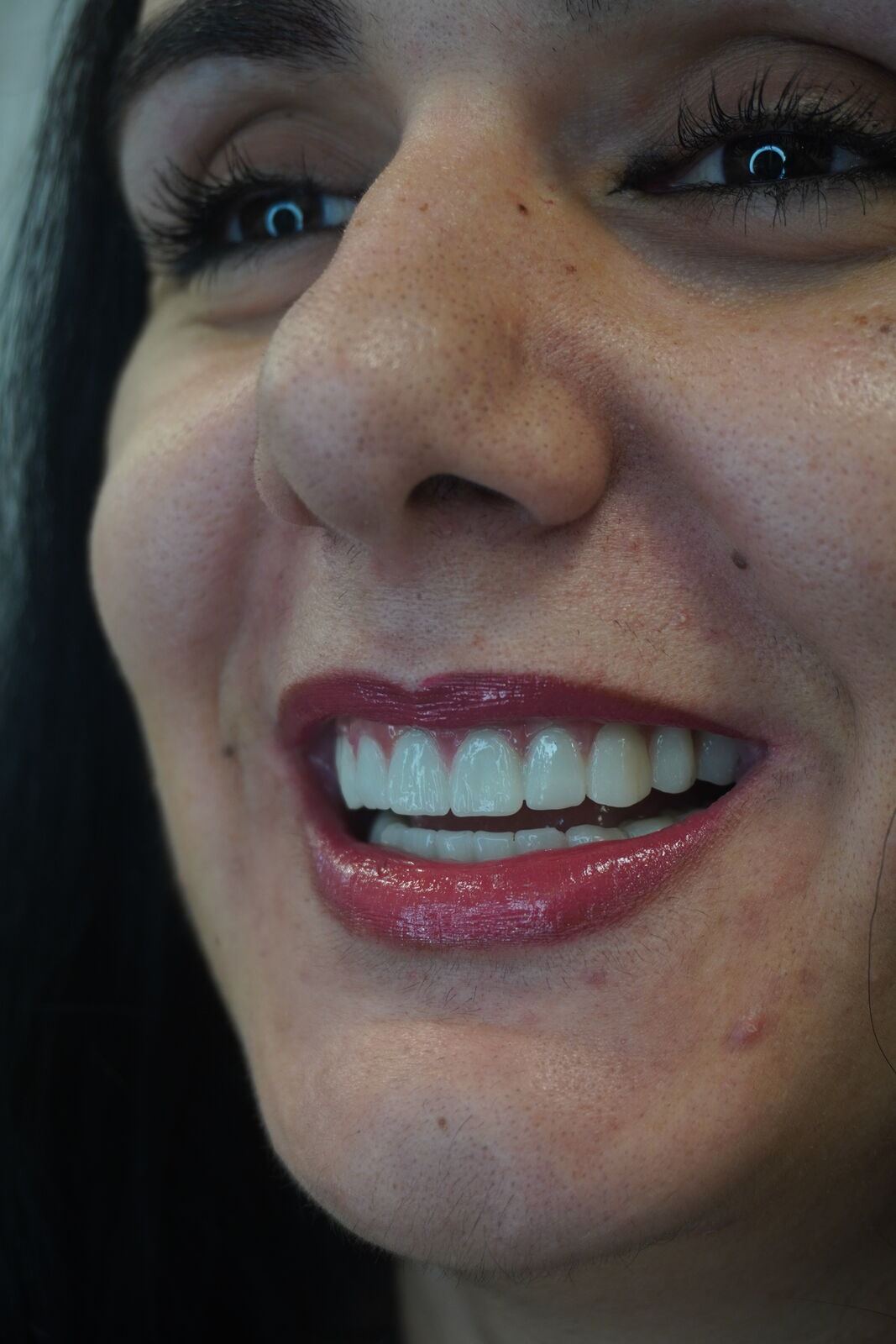
Close-up portrait of a smiling patient
Illustrative case study

Section 06

Case Study: How Sky Dental Meets These Criteria

To make the criteria above concrete, it's useful to walk through how one clinic — Sky Dental, a dental clinic in Albania (opens their site in a new tab) — answers each of them. This isn't a claim that Sky Dental is the only clinic that meets this bar; it's an illustration of what meeting the bar looks like in practice.

Price transparency

Patients receive an itemized quote before booking travel: consultation and imaging, the procedure, materials by brand, and the terms under which the estimate could change.

Technology

Treatment planning uses 3D CBCT imaging and digital impressions as standard, not as a premium add-on — the baseline this guide recommends patients look for in any destination.

Guarantee

Warranty terms are provided in writing, specifying coverage duration and the follow-up schedule required to keep the warranty valid.

Language access

Given Albania's proximity to Italy and Greece, coordination and clinical staff include Italian and Greek speakers, so consultations and follow-up calls happen in the patient's own language.

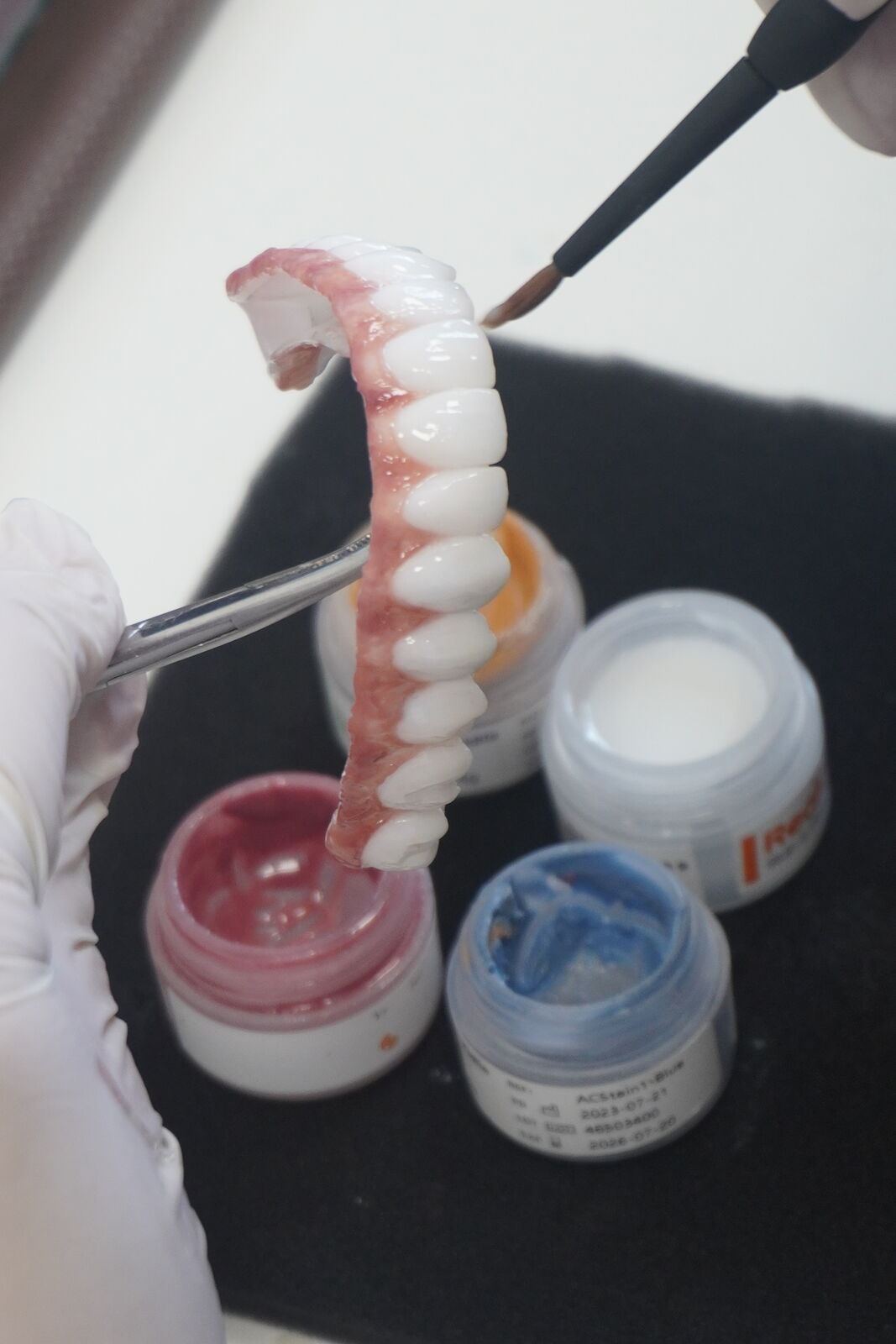
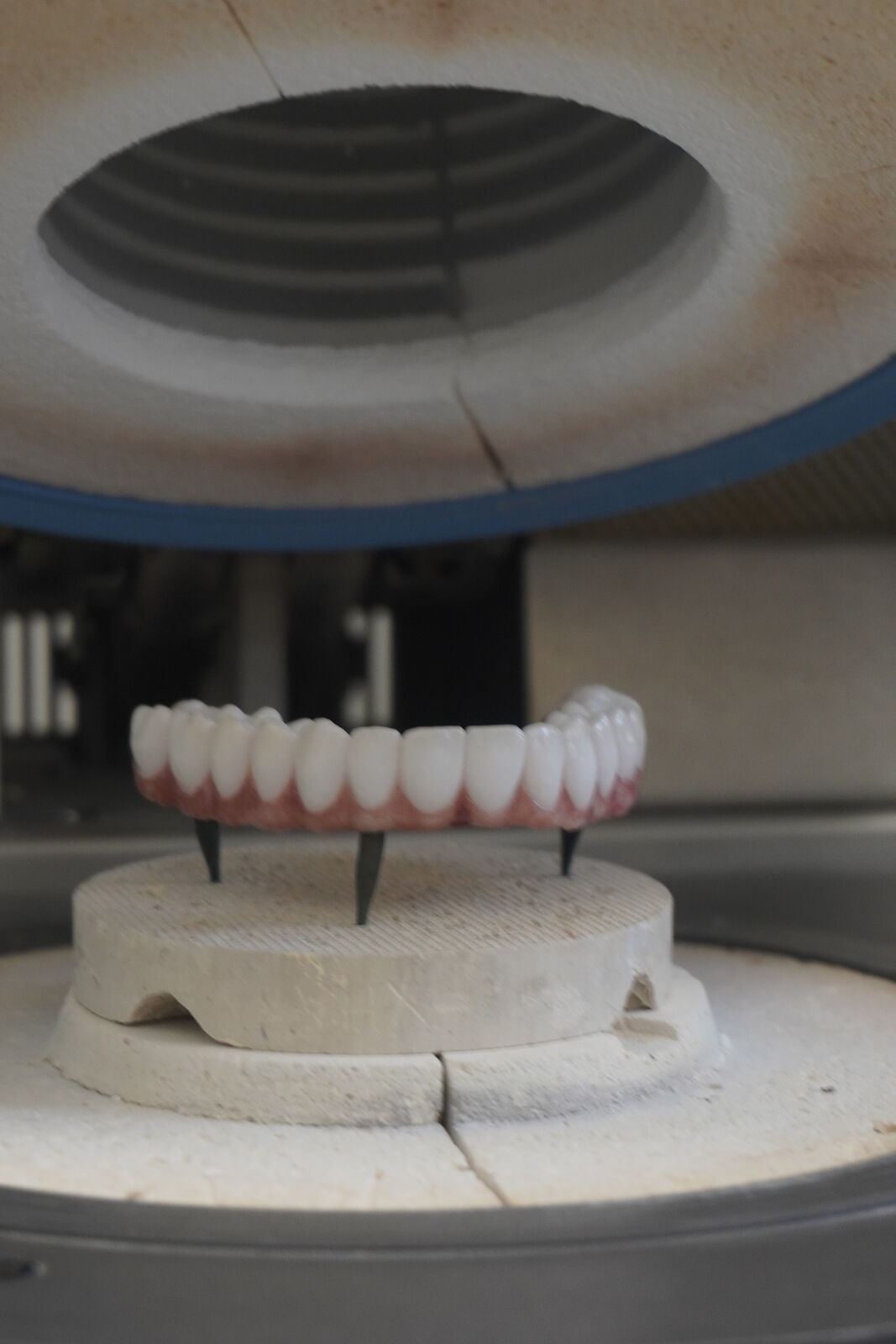
Dental laboratory technician hand-finishing a prosthetic tooth arch with shading pigments Prosthetic tooth arch inside a dental ceramic firing oven

Materials, disclosed in writing

The implant system, crown material, and lab used are named by brand before treatment begins — not disclosed only after the fact. It's the same standard this guide asks patients to verify at any clinic, in any country.

Patients evaluating Sky Dental should still apply the full checklist above, exactly as they would with any clinic in Turkey, Hungary, or Mexico. That comparison is the point of this guide.

Section 07 · Personalized

Find Out What Matters Most for Your Case

Answer 10 quick questions about your situation. At the end, we'll match your answers against the criteria in this guide and show you what to look for — and how one clinic, Sky Dental, applies them in practice.

Question 1 of 10

What treatment are you considering?

How would you describe your case?

Where are you traveling from?

What language do you need to consult in?

How soon are you looking to start treatment?

How many trips can you realistically make?

What matters most to you in a clinic?

Have you had a written treatment plan or quote yet?

What's your biggest concern about treatment abroad?

What would help you decide next?

Your result

Here's what matters most for your case

Based on your answers, prioritize a clinic that can show its licensing, imaging technology, and warranty terms in writing before you book — not just describe them.

How Sky Dental applies these criteria

  • Itemized, written treatment plan before travel
  • 3D CBCT imaging and digital impressions as standard
  • Written warranty terms with a defined follow-up schedule
  • Italian- and Greek-speaking coordination and clinical staff

🔒 This result is preliminary guidance based on your answers, not a diagnosis. Any treatment plan must be confirmed by a licensed clinician after consultation.

Section 08

Frequently Asked Questions

Straight answers to the questions patients researching dental tourism ask most.

Is dental tourism actually safe?+

Safety depends on the specific clinic, not the country as a category. Clinics that are properly licensed, use modern diagnostic imaging, disclose materials in writing, and provide a real aftercare plan carry a comparable standard of care to good clinics at home. The risk comes from skipping verification, not from traveling itself.

How do I verify that a clinic abroad is legitimate?+

Ask for the clinic's licensing body and registration number, and check it against the relevant national dental authority directly rather than relying on the clinic's own website. Also ask for a written treatment plan, the specific implant or material brand being used, and the credentials of the clinician assigned to your case.

What questions should I ask before booking treatment abroad?+

At minimum: What is the exact treatment plan and itemized cost? What implant or material brand will be used? What is the warranty in writing, and what voids it? How many procedures of this type has my specific clinician performed? Who handles complications after I return home? The full checklist in this guide covers all of these.

Are there international guarantees for dental work done abroad?+

There's no single global standard — guarantees are set individually by each clinic, not by an international body. What matters is whether the clinic provides its warranty as a signed, specific document rather than a verbal assurance.

How many trips abroad does dental treatment usually require?+

It depends on the procedure. Simple restorative work can sometimes be completed in a single visit. Implant cases — especially full-arch or cases requiring bone grafting — typically require at least two trips. Ask your clinic for the specific trip count for your case before booking.

How long does healing take between visits?+

Healing time varies by patient and procedure, but implant osseointegration generally requires a period of months before a final restoration can be placed safely. A clinic that offers to shorten it significantly is worth questioning closely.

What happens if something goes wrong after I've returned home?+

A well-run clinic will have a defined process: remote consultation for questions, clear terms on what the warranty covers, and often coordination with a dentist near you for routine monitoring.

Can a dentist in my home country continue care started abroad?+

Generally yes, especially for routine monitoring, but they'll need your full treatment records: imaging, the specific implant or material brand used, and the treatment plan.

Why is dental treatment cheaper abroad?+

Cost differences generally reflect lower operating, labor, and real estate costs in the treating country, not necessarily lower quality. Price alone doesn't indicate quality either — it needs to be evaluated alongside licensing, materials, technology, and aftercare.

Is it safe to get dental implants and bone grafting abroad?+

Bone grafting and complex implant cases carry more clinical risk than routine work, which raises the bar for what to verify: imaging quality, the surgeon's specific case volume in grafting, and success-rate transparency.

How do I compare quotes from clinics in different countries?+

Request an itemized breakdown from each clinic — consultation, imaging, procedure, materials by brand, and follow-up visits — rather than comparing single total numbers.

What's the difference between a clinic's warranty and an insurance policy?+

A clinic warranty is a commitment from that specific clinic to correct or replace its own work under certain conditions. It is not third-party insurance. Some patients choose separate dental travel insurance for broader coverage.

Do I need travel insurance for dental tourism specifically?+

It's worth considering, particularly for procedures involving surgery. Standard travel insurance may not cover dental complications, so check the policy terms or ask the clinic what they recommend.

How do I know if a clinic's online reviews are trustworthy?+

Look for reviews with specifics — procedure type, timeline, named clinician — over generic praise. Cross-check reviews across multiple independent platforms, and be cautious of clinics with only recent, uniformly five-star reviews.

What should I bring or prepare before traveling for dental treatment?+

Bring any existing dental records, X-rays, or scans from your home dentist, a list of current medications, and the written treatment plan and quote from the clinic.

Section 09

From Our Investigations

Longer-form editorial reporting on dental tourism — red flags, hygiene standards, patient rights, and destination comparisons — each piece dated and sourced.

Published July 6, 2026

The Hidden Costs of Dental Tourism

The headline savings on a quote often don't include flights, extra visits, or what happens if the case changes.

View all investigations →

Ready to compare your options?

Get a Free, No-Obligation Assessment

If you already have a treatment plan or quote from another clinic, the fastest next step is a side-by-side comparison against the criteria in this guide. Both options below are free and carry no obligation to book treatment.

Prefer to talk it through first? Message us directly on WhatsApp and a coordinator will help you apply this guide's criteria to your specific case.

Chat on WhatsApp
  • Free, no obligationReviewing your case costs nothing and doesn't commit you to booking anything.
  • Matched against this guide's criteriaNot a generic quote — a structured comparison using the eight factors above.
  • Reply within 1–2 business daysFrom a coordinator who reviews your specific case, not an automated reply.

Request Your Clinic Evaluation

Tell us about your case and we'll help you compare it against the criteria in this guide.

WhatsApp